
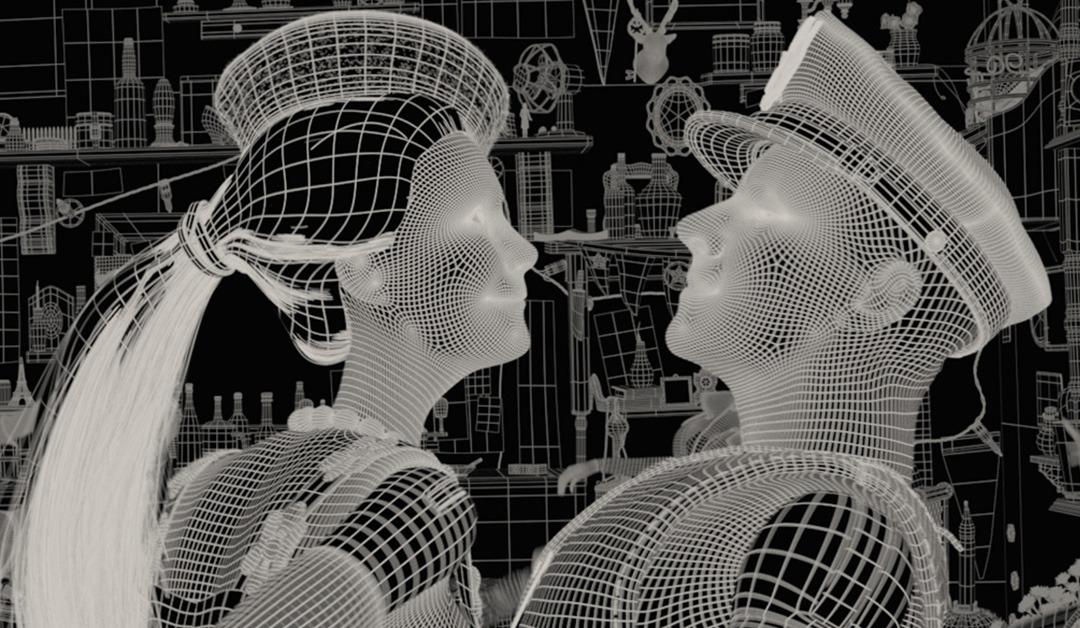
Film making is a good career if you are prepared to build it step by step. Very few people start by directing feature films. Most build experience through short films, music videos, advertisements, corporate films, YouTube and OTT content, and many work in a specialist role such as cinematography, editing or production.
Roles in film making
- Director and assistant director: lead the creative vision and run the set.
- Cinematographer and camera operator: shape how the film looks through camera, lens and light.
- Editor: builds the story from the footage; often the most in-demand skill.
- Colourist: sets the final look in tools such as DaVinci Resolve.
- Sound designer: dialogue, effects and music.
- Producer and production manager: budgets, schedules, crew and locations.
- Writer: scripts for films, series, ads and online content.
The industry in 2026
India’s media and entertainment sector grew 9% to ₹2.78 lakh crore in 2025 and is expected to reach ₹3.3 lakh crore by 2028, according to the FICCI-EY media and entertainment report (March 2026). Digital media is now the largest part of the industry. Animation and VFX had a difficult 2024, when revenue fell 9% after the Hollywood strikes reduced work outsourced to India, and grew only 2% in 2025. The same report expects animation and VFX to be among the main growth drivers through 2028.
In plain terms: the opportunity is real and growing, but studios hire people with strong portfolios and up-to-date skills, including AI tools. A certificate alone is not enough.
For film makers, the growth of digital media matters most: OTT platforms, YouTube, Instagram and brands all commission video content continuously, which creates work for small crews and independent creators.
How AI is changing film making
AI now helps at every stage: script ideas, storyboards, generated shots and backgrounds, voice, subtitles and editing. This lowers the cost of making a short film or advertisement, so more independent creators can compete. It also raises the bar: audiences still judge story, performance and craft. Our guide on how to make an AI short film shows how the new process works.
What you can earn
Earnings vary more in film making than in most creative careers. Assistants and juniors on productions often start with modest daily or monthly fees; editors and motion graphics editors commonly earn ₹2–7.8 lakh a year with one to seven years’ experience. Established directors, cinematographers and editors on advertising and OTT work earn considerably more, often per project.
Salary figures are indicative ranges from self-reported data on sites such as AmbitionBox (checked October 2026). Actual pay depends on your city, the studio, your portfolio and your specialisation.
Skills that matter
- Storytelling and scriptwriting
- Camera, lighting and sound basics
- Editing in Premiere Pro or DaVinci Resolve, and colour grading
- AI tools for pre-production, generated shots and post-production
- Working with a team, deadlines and clients
A typical career path
Most film makers start by assisting on productions or making their own short films, music videos and online content. Editing is often the fastest way in, because every production needs it. Over time people specialise in direction, cinematography, editing, colour or production, or build their own production company making ads, corporate films and series.
Common questions
Do I need a film school degree to become a film maker?
No. Your body of work matters more than a degree. A practical diploma helps you learn the craft faster, use professional equipment and build a portfolio with feedback.
Is film making a stable career?
It can be project-based, especially at the start. Many film makers build stability by combining creative projects with steady work such as ads, corporate films, events or editing.
Can I make films with just a phone and AI tools?
Yes, for learning and for many online formats. Phones and AI tools are now good enough for short films and social content. Storytelling, sound and editing make the difference.
How to get started
- Learn the fundamentals properly: drawing or design basics, storytelling and the core software.
- Add AI to your workflow for ideas, clean-up and speed, so you can deliver more without losing quality. Read what AI changes, and what it doesn’t.
- Build a portfolio or showreel of 4–6 strong pieces rather than many average ones.
- Get real experience through live projects, internships or freelance work.
- Apply with your work, not just your certificate. Our Placement Cell helps every student find openings and prepare for interviews.
Courses at Pepper Animation
- Diploma in Digital Film Making (1 year)
- AI Filmmaking and Video Generation (3 months)
- Certificate in Video Editing (3 months)
- Pro Color Grading in DaVinci Resolve
Not sure which path suits you? Book a free demo class at our Rohini centre or online and talk to our faculty.