
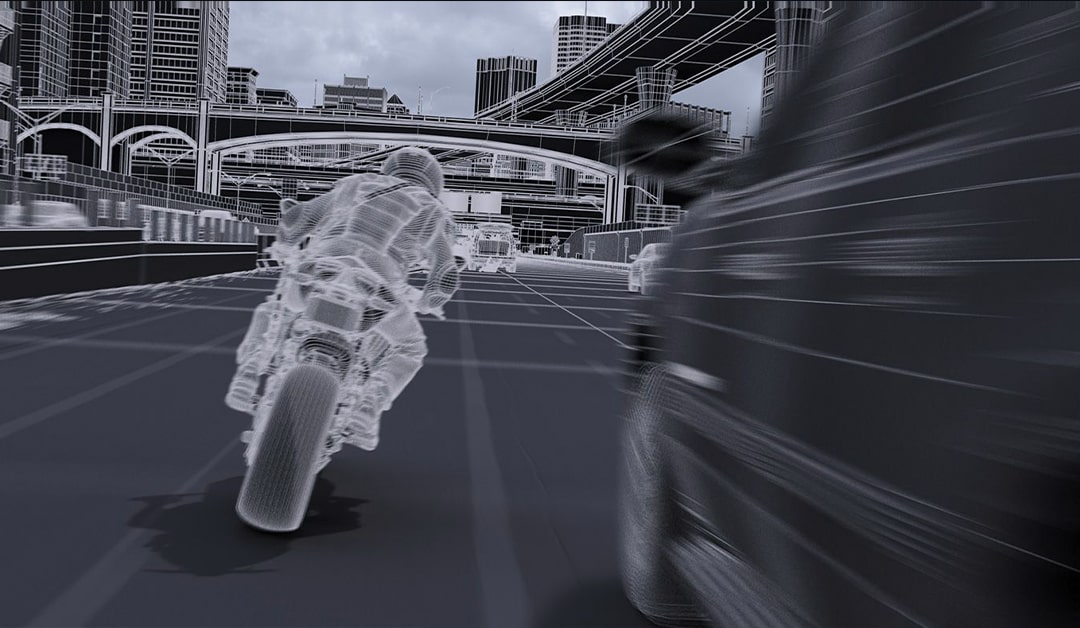
Yes, 3D animation is a good career for people who enjoy both art and technology, and who are willing to build a strong portfolio. 3D is used far beyond films and cartoons: in games, advertising, product visualisation for e-commerce, architecture, education, medicine and social media content. That variety is what keeps demand steady even when one part of the industry slows down.
What a 3D artist actually does
“3D animation” covers several specialist roles. Most studios hire for one of these:
- 3D modeller: builds characters, props and environments.
- Texturing and look development artist: gives models their surfaces, colours and materials.
- Rigging artist: builds the skeleton and controls animators use.
- 3D animator: brings characters and objects to life with movement and acting.
- Lighting and rendering artist: lights scenes and produces the final images.
- Product and architectural visualiser: creates realistic renders for brands, e-commerce and real estate.
The industry in 2026
India’s media and entertainment sector grew 9% to ₹2.78 lakh crore in 2025 and is expected to reach ₹3.3 lakh crore by 2028, according to the FICCI-EY media and entertainment report (March 2026). Digital media is now the largest part of the industry. Animation and VFX had a difficult 2024, when revenue fell 9% after the Hollywood strikes reduced work outsourced to India, and grew only 2% in 2025. The same report expects animation and VFX to be among the main growth drivers through 2028.
In plain terms: the opportunity is real and growing, but studios hire people with strong portfolios and up-to-date skills, including AI tools. A certificate alone is not enough.
How AI is changing 3D work
AI now speeds up the early and repetitive stages: concept art in minutes, rough 3D models from a single image, and textures from a text prompt. It does not replace clean modelling, rigging, animation and lighting, which are exactly the skills studios test. 3D artists who can use AI tools inside a Blender or Maya pipeline are becoming more productive and more employable. Our AI for 3D, Games and Product Visualisation course teaches this combination.
Where 3D artists work
- Animation and VFX studios (films, OTT series, advertising)
- Game studios and game-art outsourcing companies
- E-commerce, jewellery and product brands that need realistic product images
- Architecture and real-estate visualisation firms
- E-learning, medical and engineering visualisation companies
- Freelancing for agencies and businesses in India and abroad
What you can earn
Entry-level 3D and VFX artists at Indian studios commonly start at around ₹1.5–3 lakh a year. With three to five years’ experience and a strong showreel, artists at larger studios can earn ₹5–8 lakh or more, and specialists such as riggers, lighting artists and senior animators earn more again. Freelancers’ earnings vary widely with their client base.
Salary figures are indicative ranges from self-reported data on sites such as AmbitionBox (checked October 2026). Actual pay depends on your city, the studio, your portfolio and your specialisation.
Skills you need
- Software: Autodesk Maya or 3ds Max, Blender, ZBrush for sculpting, Substance for textures
- Fundamentals: form, proportion, light and colour; for animators, timing and acting
- AI tools for concepts, textures and faster iteration
- Patience and attention to detail: good 3D work is built through many small revisions
A typical career path
Year 1: junior modeller, texturing artist or animator, working on assets or shots under a lead. Years 2–4: you specialise, take on hero assets or complex shots, and your showreel decides your next move. Year 5 onwards: senior artist, lead or supervisor, or an independent freelancer or small-studio owner. Many artists also move sideways into games, product visualisation or real-time 3D, where the same skills apply.
Common questions
Do I need to be good at drawing for 3D animation?
It helps, especially for character work, but it is not required. Observation, a sense of form and patience matter more. Many successful modellers and lighting artists are not strong at drawing.
Which software should I learn first: Maya or Blender?
Learn the principles in either. Maya is the standard in many large film and series studios; Blender is free, powerful and widely used by smaller studios, freelancers and product visualisers. Our courses cover both.
How long does it take to get job-ready?
Most students need about a year of focused training plus portfolio work to be ready for a junior role. A strong, specialised showreel shortens the job search.
How to get started
- Learn the fundamentals properly: drawing or design basics, storytelling and the core software.
- Add AI to your workflow for ideas, clean-up and speed, so you can deliver more without losing quality. Read what AI changes, and what it doesn’t.
- Build a portfolio or showreel of 4–6 strong pieces rather than many average ones.
- Get real experience through live projects, internships or freelance work.
- Apply with your work, not just your certificate. Our Placement Cell helps every student find openings and prepare for interviews.
Courses at Pepper Animation
- Diploma in 3D Animation (1 year)
- Advanced Diploma in 3D Animation (2 years)
- Autodesk Maya course
- Blender course
- AI for 3D, Games and Product Visualisation (3 months)
Not sure which path suits you? Book a free demo class at our Rohini centre or online and talk to our faculty.